Key Takeaways
- The Valaoritou District Thessaloniki, known as Ano Ladadika, blends tranquil daytime vibes with vibrant nightlife.
- Once a textile hub, the area has transformed into a creative sanctuary with work-friendly cafes and cultural spots.
- Visitors can explore the neighborhood’s rich history and unique architecture, making it perfect for leisurely strolls.
- As night falls, Valaoritou becomes a bustling centre of art, music, and diverse culinary options, attracting an alternative crowd.
- Easily accessible, this charming district lies within downtown Thessaloniki’s pedestrian-friendly areas.
Table of contents
- Tranquil hideaway by day & Vibrant alternative nightlife by night
- The History of the Valaoritou District in Thessaloniki: From Textile Hub to Hidden Gem
- Navigating downtown thessaloniki: Where to find the Valaoritou District
- The Frankish Quarter: A legacy of trade and cosmopolitan life
- The difference between ladadika and ano ladadika
- Breathing new life into industrial and neoclassical buildings of Valaoritou
- Savoring food, coffee, and culture in a revived neighborhood
- How to get there
Tranquil hideaway by day & Vibrant alternative nightlife by night
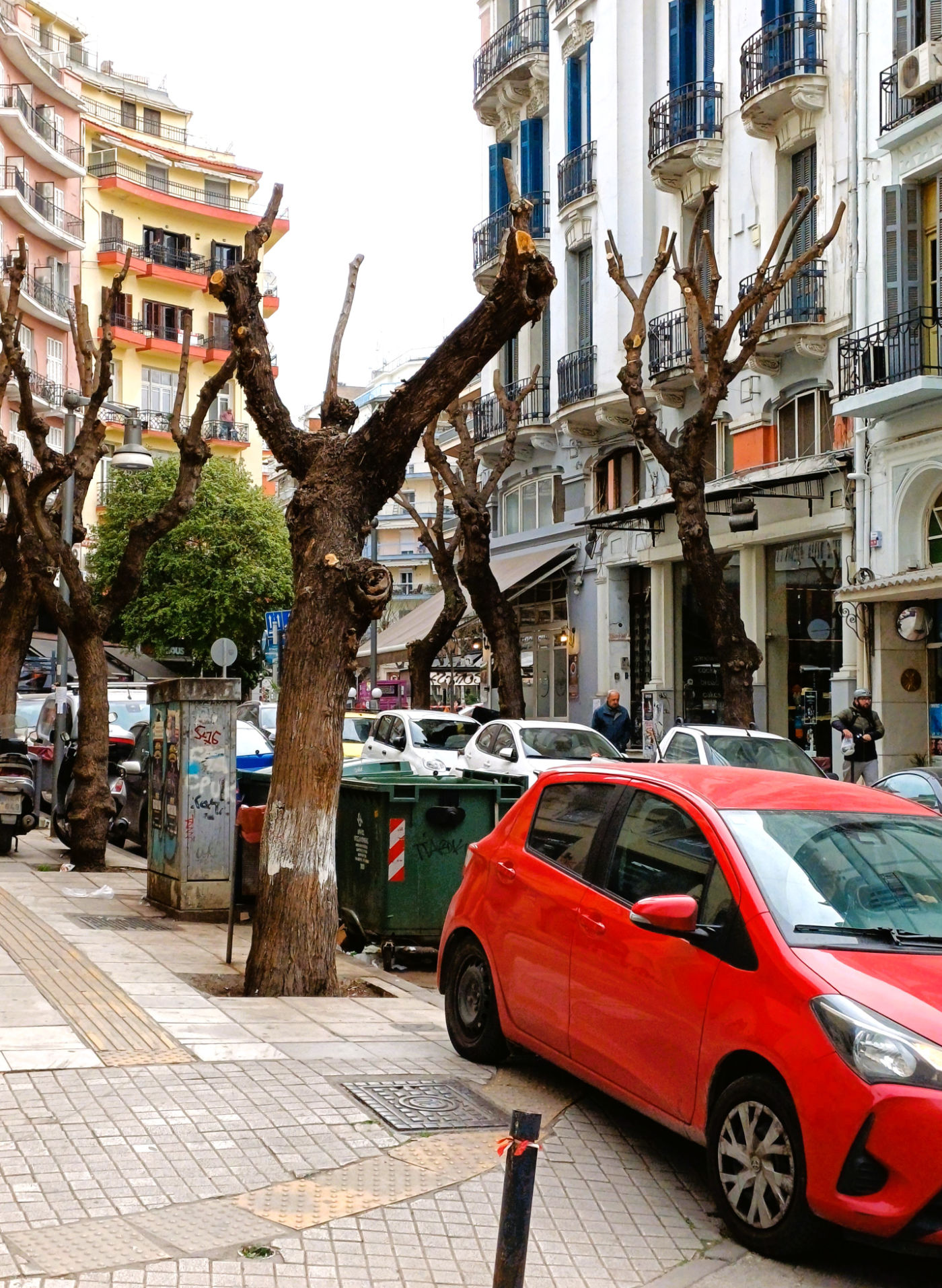
If you are looking for a tranquil hideaway in the heart of the city, the Valaoritou District Thessaloniki is a must-visit. Often referred to by locals as Ano Ladadika, this area north of Tsimiski Street offers a unique blend of artsy & easy-going vibes during the day and a vibrant alternative nightlife by night.
Historically known as the Frankish Quarter of Thessaloniki, this neighborhood was once the city’s cosmopolitan trade hub. Today, the neoclassical buildings and former textile factories have been transformed into some of the most work-friendly cafes in Thessaloniki, perfect for those seeking quiet places to work or a secret spot in the city center to read a book away from the urban chaos.
Whether you are exploring the history of the Malakopis Stoa or you are into bar hopping in Thessaloniki, Valaoritou stands out as a top Thessaloniki off the beaten path destination. Located conveniently between Egnatia and Tsimiski, it is arguably the best area for nightlife in Thessaloniki for those who prefer an artistic, underground scene over mainstream clubs.
The History of the Valaoritou District in Thessaloniki: From Textile Hub to Hidden Gem
The Valaoritou District (also named Ano Ladadika), the area north of the famous Ladadika District, was temporarily forgotten from the 1990s until the beginning of the 21st century when the last textile factories that had been active were closed or moved to other Balkan countries.
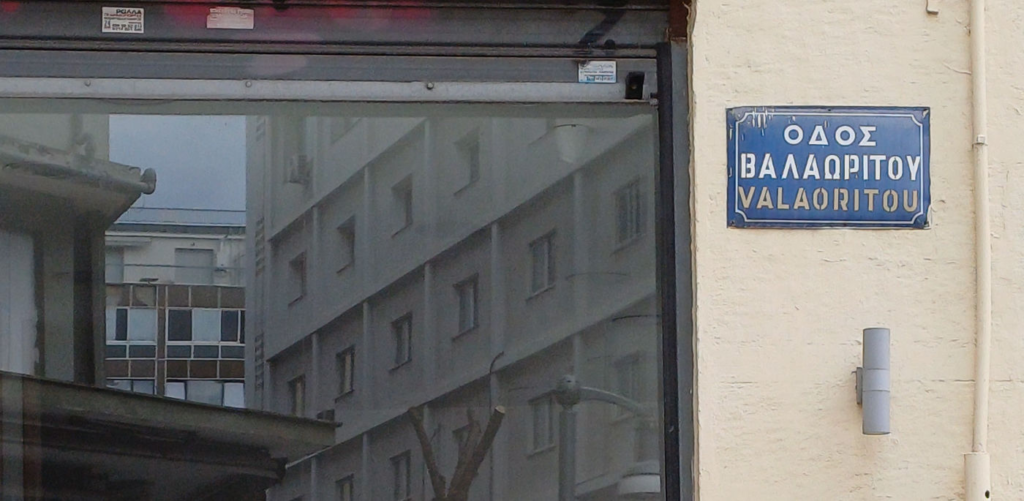
The small shops that sold fabric, threads, and beads had been famous far beyond Thessaloniki and women came especially to the Valaoritou District to buy their fabric and sewing supplies to have their wedding dresses made.
With the disappearance of the textile factories the area fell into decline with many closed shops and abandoned buildings and a non-existent social community.
Discover the artsy and easy-going vibes in Thessaloniki’s Valaoritou District
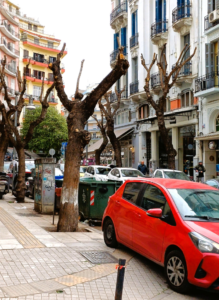
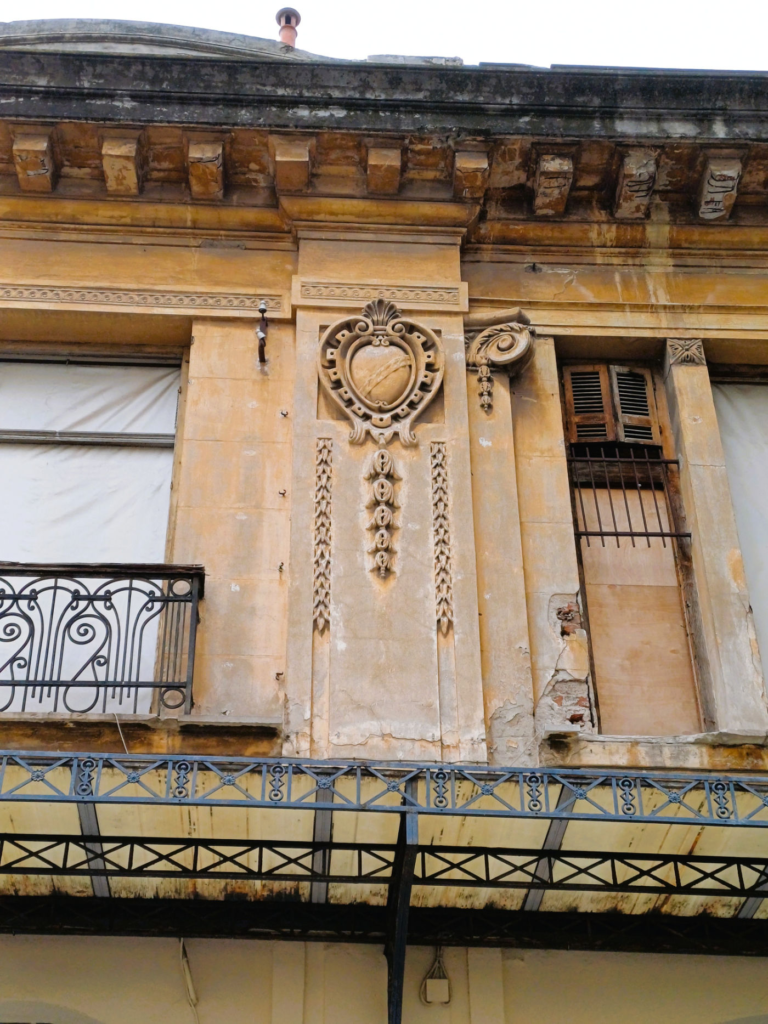
Today, this historic neighborhood functions as a creative sanctuary for those who appreciate a slower pace of life. You can spend hours quietly strolling through the narrow alleys while admiring the intricate details of the neoclassical architecture.
If you enjoy reading in peace, the daytime cafes offer a serene escape where you can open a book and lose track of time away from the urban bustle.
As the sun sets, the Valaoritou district of Thessaloniki transforms into a vibrant hub of culture and music. You will find an eclectic mix of bars, restaurants, and hidden gems tucked away in every corner.
The district attracts a diverse, artistic crowd that prefers an authentic and alternative scene over mainstream tourist traps.
Navigating downtown thessaloniki: Where to find the Valaoritou District
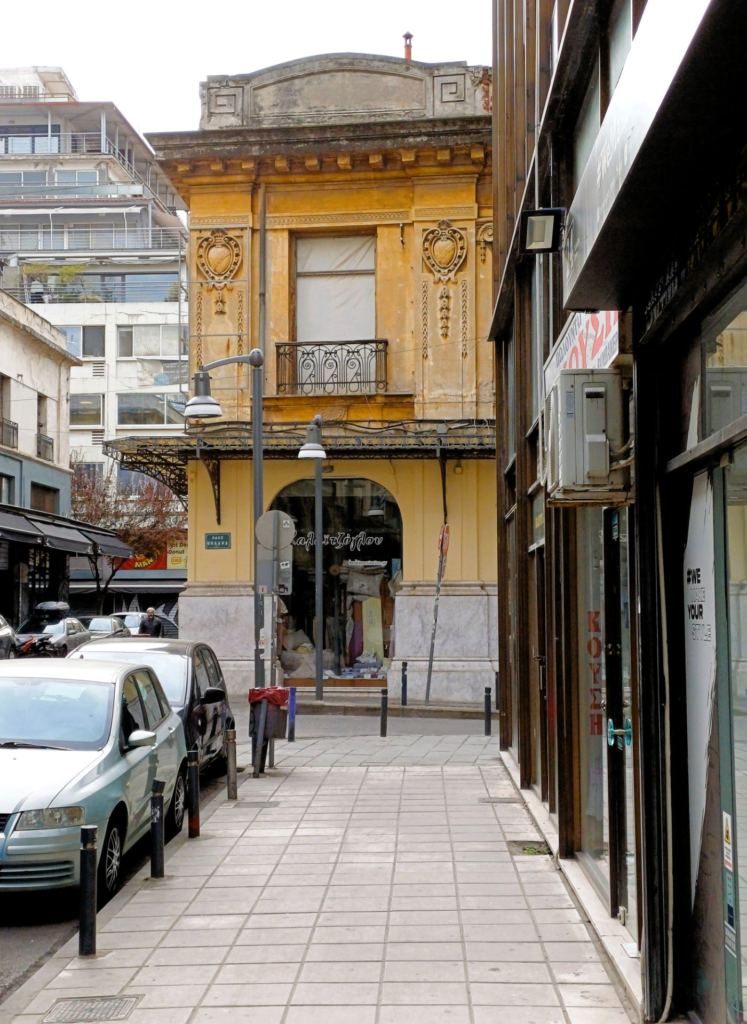
Locating this charming neighborhood is quite simple, as it sits perfectly within the boundaries of the downtown area.
Because the streets are relatively flat and pedestrian-friendly, it makes for a perfect afternoon walk. The district lies within the borders of these four major city arteries:
- Dodekanisou Street runs along the West, leading towards the old Port.
- Egnatia Street marks the northern boundary.
- Tsimiski Street defines the southern edge.
- Venizelou Street sits to the East.
A historic stroll near the Roman Agora and old walls of Thessaloniki
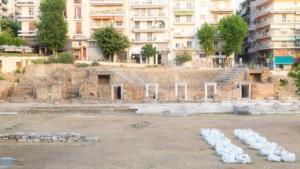
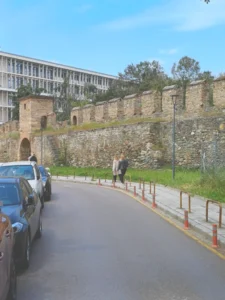
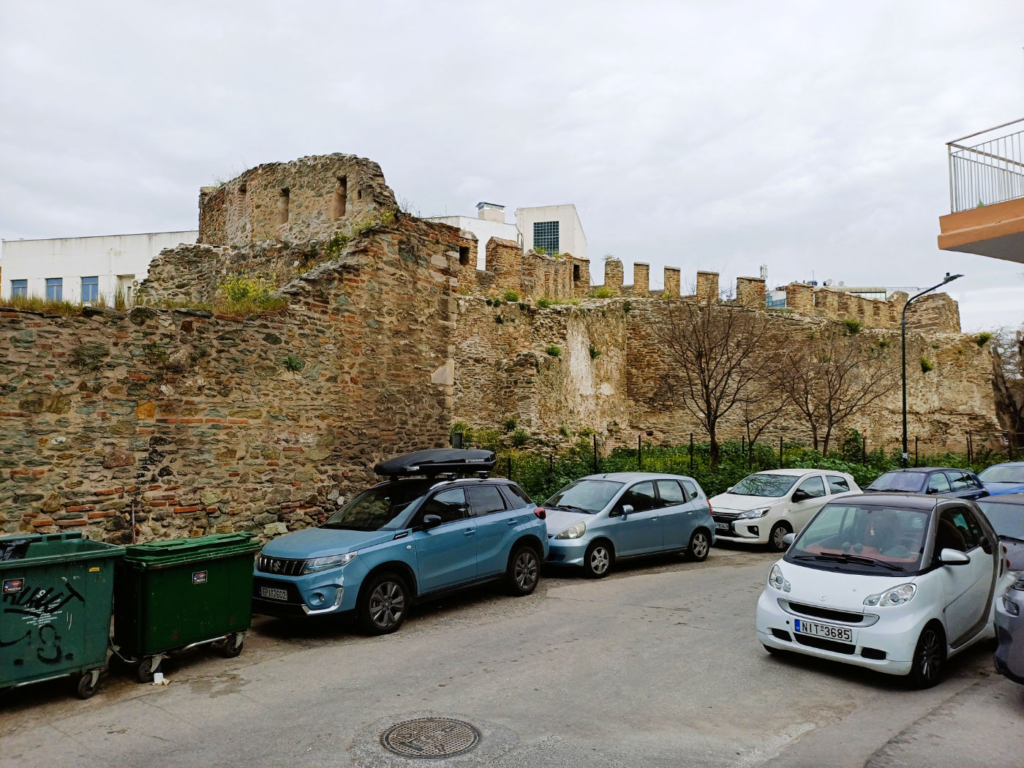
History enthusiasts will love the fact that the Valaoritou district sits within the old city walls of Thessaloniki. It is also just a stone’s throw away from the Roman Agora, which served as the administrative and religious heart of the city during the Roman period. Walking through these streets feels like stepping through different layers of time.
The Frankish Quarter: A legacy of trade and cosmopolitan life
Centuries ago, this area was known as the Frankish Quarter because of the Western European merchants and families who lived and worked here. Its proximity to Egnatia Street, the road connecting Thessaloniki to the rest of the empire, fueled its growth as a massive trade hub.
The neighborhood was once world-renowned for its textile factories, fabric stores, and grand residences. Even today, the elegant facades of the buildings remind visitors of a time when this was the city’s most cosmopolitan and wealthy commercial center.
Visit the architectural beauty of the Malakopis Stoa in the heart of Ano Ladadika
While exploring the neighborhood, make sure to visit the Malakopis Stoa at Xrimatistirou Square.
Built between 1906 and 1907, this impressive building originally housed various shops before becoming the Bank of Salonica. Despite surviving the Great Fire of 1917 and several major earthquakes, the structure remains a stunning monument to the city’s architectural resilience.
The difference between ladadika and ano ladadika
The Great Fire of 1917 significantly altered the landscape of the city, destroying many of the original structures in the Frankish Quarter.
During the subsequent rebuilding phase, planners constructed Tsimiski Street, which now separates this area from the lower Ladadika district. This geographical shift is why many locals now refer to the neighborhood as “Ano Ladadika” or Upper Ladadika.
Breathing new life into industrial and neoclassical buildings of Valaoritou
After the decline of the textile industry in the late 20th century, the area underwent a stunning metamorphosis.
Around 2008, visionaries began repurposing neglected warehouses and industrial spaces into stylish cafes, cultural venues, and bars. Because the area was largely abandoned at the time, these new establishments blossomed into a thriving community without disturbing the local residential peace.
To make the streets more comfortable for summer strollers, the city installed fans, cooling pavement materials, and lush green canopies in 2014. These features, along with beautiful fountains and water curtains, ensure that the Thessaloniki’s Valaoritou district remains a cool and inviting place even during the hottest months.
Savoring food, coffee, and culture in a revived neighborhood
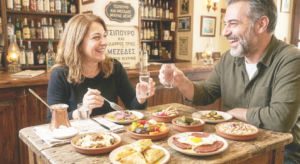
Whether you want to enjoy a gourmet dinner or a simple coffee under the shade of a canopy, the options here are endless.
You will see young people hopping between bars at night, while older generations enjoy their dinner at outdoor tables under the elegant silhouettes of historic buildings.
This unique blend of historical weight and modern finesse makes the Valaoritou District of Thessaloniki a must-visit for any traveler seeking the true soul of the city.
How to get there
Valaoritou Street is only a 5-minute walk from the Twin Leaves Apartment.